


LEADEN FLOOR - INTOO
- Standard price
-
38,00€ m² - Standard price
-
- Price list
-
38,00€ m²
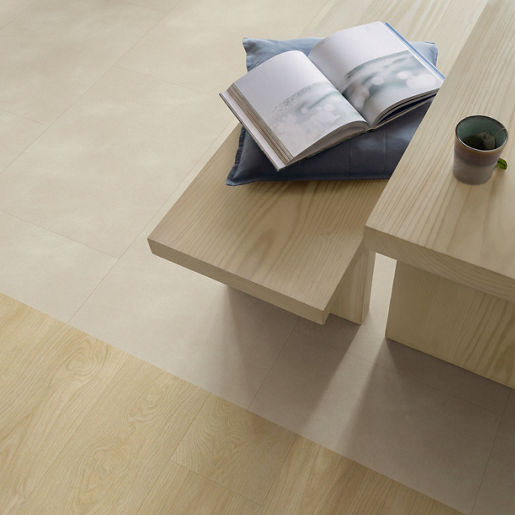
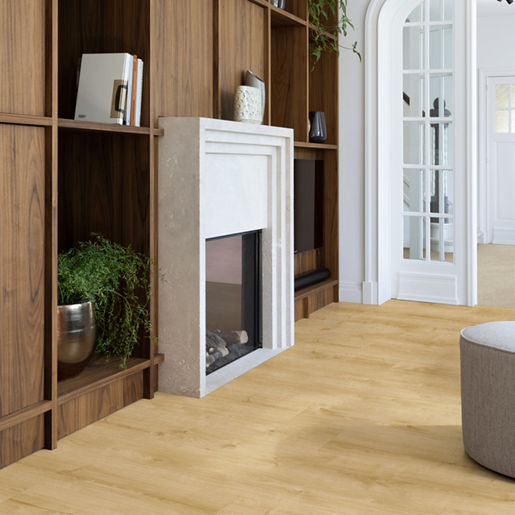
Sierra Oak 58346
Format: Blade
Unable to load pickup availability
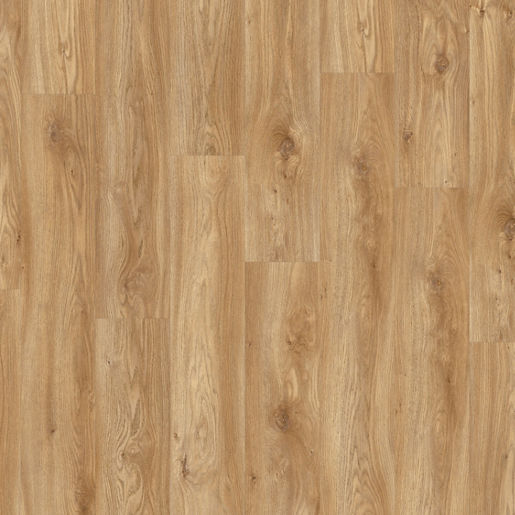
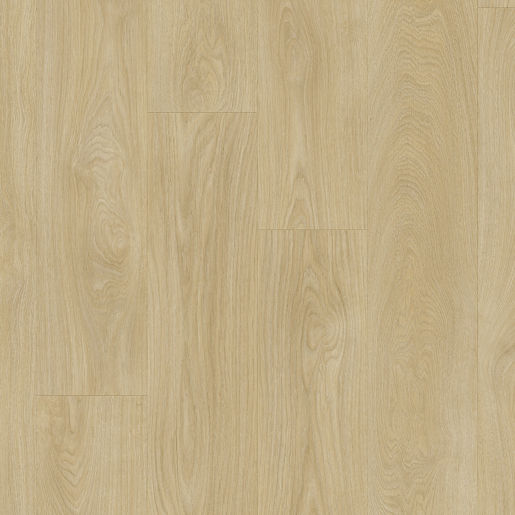
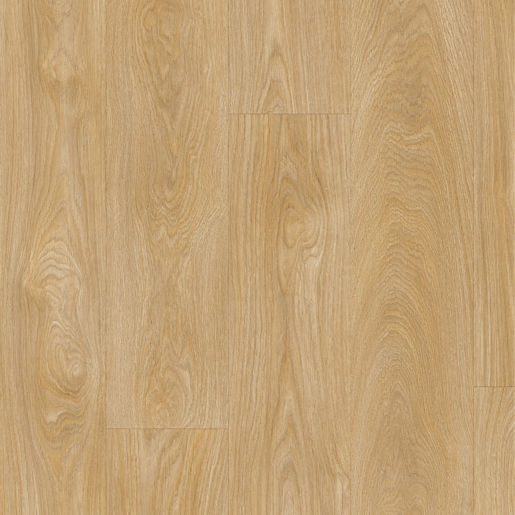
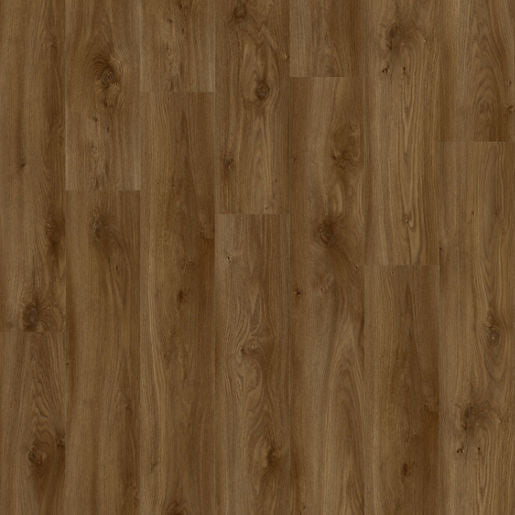
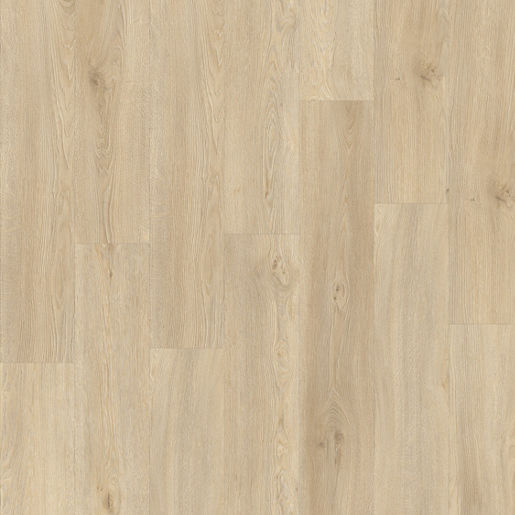
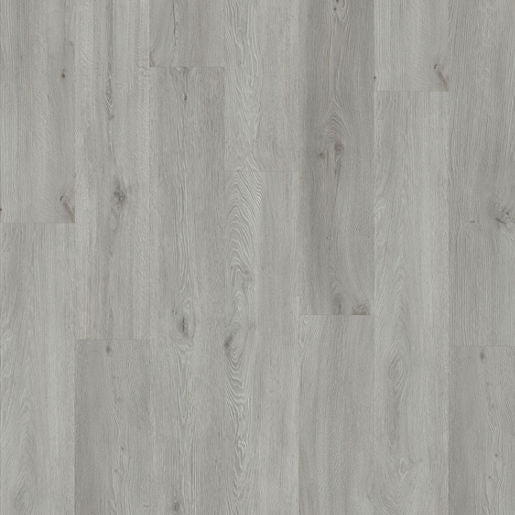
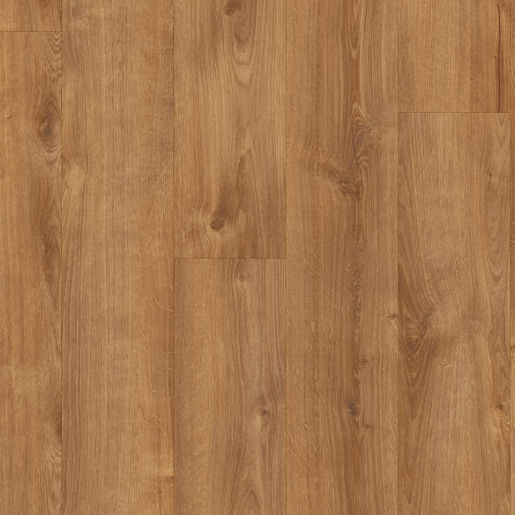
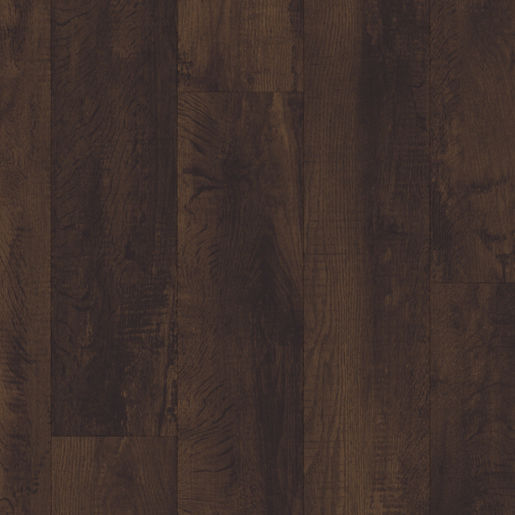
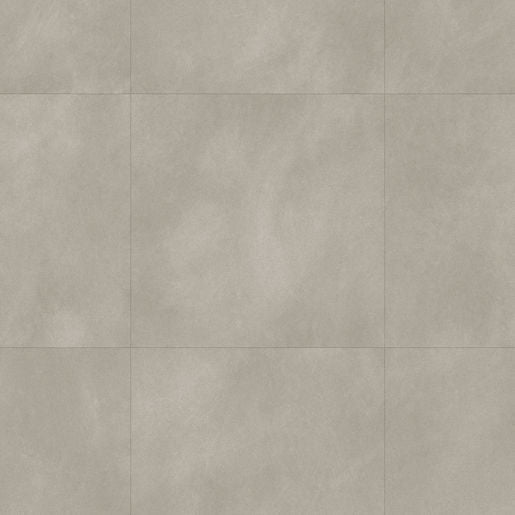
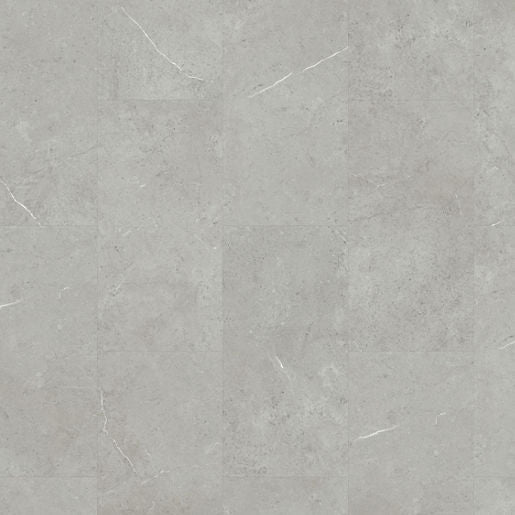
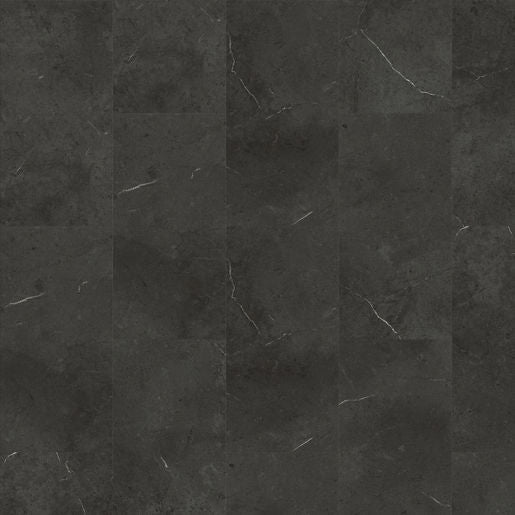
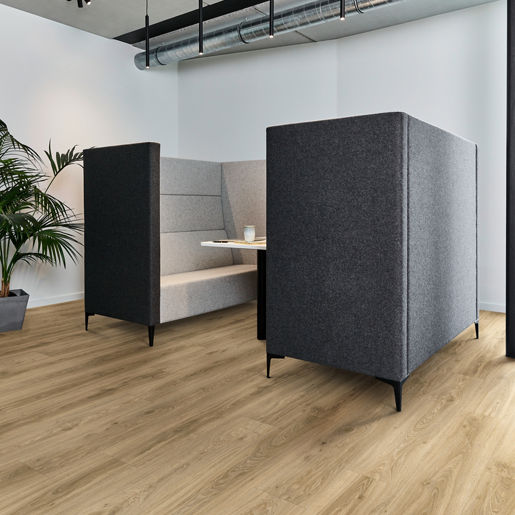
Description
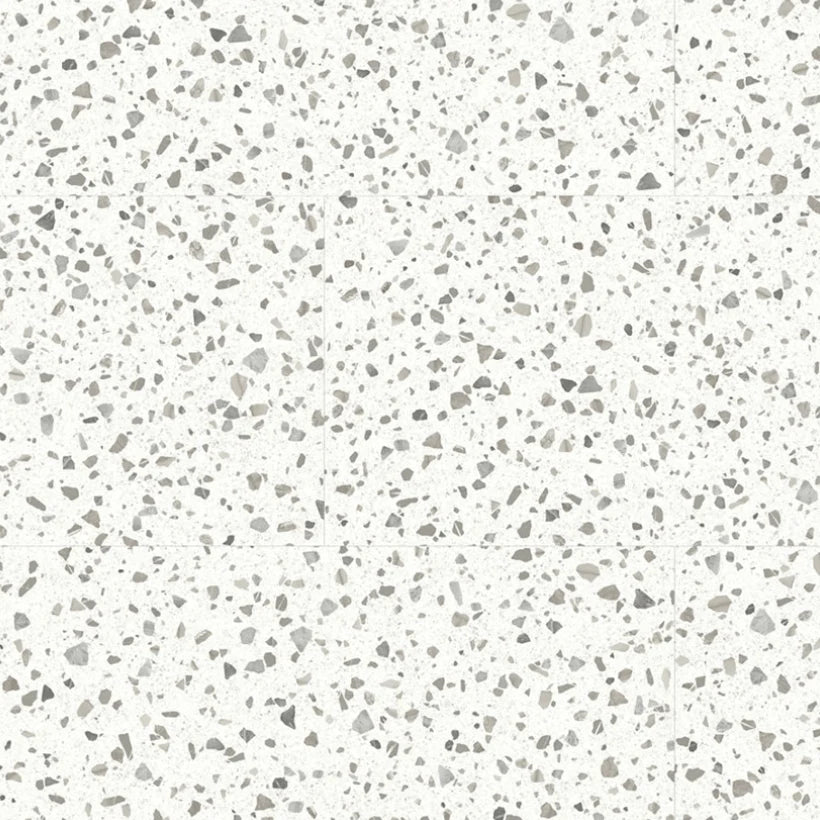
SOL PLOMBANT includes the vinyl planks and tiles from the Intoo line. Measuring 4.5 mm thick and heavy (7.6 kg/m²), they stay in place on the floor due to their own weight, supplemented by a lightweight adhesive depending on the subfloor. There is no permanent bonding: each piece can be lifted and replaced individually, without having to remove the rest of the floor.
The panel is constructed of 8 layers, including a double fiberglass reinforcement that ensures its stability. The 0.55 mm wear layer is resistant to wear, scratches, stains, and chairs with casters (25,000 cycles according to ISO 4918).
This is the solution for active spaces: offices, retail stores, and any area where access under the flooring is required. Planks, rectangular tiles, and square tiles; use class 23 · 33; fire rating Bfl-s1; slip resistance R10; and emissions rating A+.
ON-SITE PROJECT
: 1,000 m² of INTOO Sierra Oak planks installed in three days using tack-up adhesive in the workshop of a luxury leather goods manufacturer in the Rhône region, where pallet jacks and electric carts are in use: see the project.


Features

| Dimensions | Plank 1320 x 196 mm · Tile 659 x 329 mm · Square tile 493 x 493 mm |
| Thickness | 4.5 mm |
| Weight | 7.6 kg/m² |
| Material | 8-layer compact vinyl, double fiberglass reinforcement |
| Wear layer | 0.55 mm |
| Usage Class | 23 · 33 |
| Fire Resistance | Bfl-s1 |
| Slipperiness | R10 · DS |
| Acoustics | ΔLw 6 dB when installed using adhesive · 10 dB on a Flex Pro underlayment |
| Underfloor Heating | Compatible — contact temperature ≤ 27 °C · thermal resistance 0.01 m²K/W |
| Air Quality | A+ · FloorScore · No added formaldehyde |
| Installation | Heavy installation; light attachment depending on the substrate (tack adhesive or adhesive underlay) |
| Warranty | 10 years of commercial use |
Compare with another product
Choose two products to see how they differ.

Vinyl planks and tiles
Weighing down the floor
23 · 33
Plank 1320 x 196 mm · Tile 659 x 329 mm · Square tile 493 x 493 mm
Thickness: 4.5 mm
Starting at €38.00 per square meter

Vinyl planks and tiles
Snap-on base
23 · 33
Plank 1251 x 189 mm · Tile 610 x 303 mm
Thickness: 5 mm (4 mm + 1 mm integrated acoustic underlay)
Starting at €35.00 per square meter
Project: Lead-Free Floor
 Leather Goods · Luxury
1,000 m² of INTOO LVT planks installed in three daysView the project
Gallery


FAQ
What is the difference between glued, click-lock, and floating flooring?
Glued — the planks are fully glued to a hard, level, and dry subfloor. This is the thinnest installation method, the one that best conducts heat from an in-floor heating system, and the only one that meets the highest wear-resistance classes. However, it requires a perfectly prepared subfloor, time for the adhesive to dry, and removal is destructive.
Click-lock — the planks interlock using a click system and rest loosely on the subfloor, without glue. This is a floating installation: it accommodates less-than-perfect subfloors, is quick to install, and can be removed without damage, but requires an expansion gap around the perimeter—at least 5 mm for heated floors—and provides slightly better thermal insulation.
Self-leveling — the planks and tiles are held in place by their own weight and by a lightweight adhesive: tackifying adhesive, adhesive underlayment, or a specialized adhesive depending on the subfloor. The existing floor remains accessible; each element can be lifted and replaced. This installation method is ideal for spaces where it is necessary to work beneath the flooring or replace a tile without interrupting operations.
Which product line should you choose for a business space?
The criterion is not thickness but the usage class (EN ISO 10874 standard): 23 for heavy-duty residential use, 31 to 34 for commercial and retail use, and 41 to 43 for industrial use.
Two key points. The classification also depends on the installation method: at Unilin, the light industrial classification is only certified for fully glued installations. And for offices, it’s the resistance to chairs with casters that matters; this is tested over 25,000 cycles in accordance with ISO 4918.
Do you need to prepare the surface before installation?
Yes, this step determines the floor’s lifespan. The subfloor must be firm, clean, dry, and level: Unilin recommends a maximum unevenness of 2 mm when measured with a 2-meter straightedge. If the unevenness exceeds this, the subfloor must be leveled.
Maximum residual moisture content before installation:
- cement screed: 2.0% cement content, reduced to 1.8% if it is a heated screed;
- anhydrite screed: 0.5% CM, 0.3% if heated;
- wood substrate: 10% moisture content.
A porous surface, or a concrete slab in contact with the ground, requires a primer or a moisture barrier. Installation is possible over tile, old compact PVC, or sound hardwood flooring, provided the joints are filled. Installation is not permitted over flexible flooring—such as carpet, needle-punched flooring, or expanded vinyl—or over an existing floating floor.
Are these floor coverings suitable for in-floor heating?
Yes, all three installation methods are compatible with a water-based floor heating system integrated into the screed. There are two limitations to keep in mind: the surface temperature of the floor must never exceed 27 °C, and the total thermal resistance of the system—including the flooring and underlayment—must remain below 0.15 m²K/W.
The flooring itself accounts for only a small portion of this total—about 0.01 m²K/W when installed without an underlayment—so it is the underlayment for a click-lock installation that must be chosen carefully. A glued floor conducts heat slightly better than a floating floor.
Installation: The heating system should be operational two weeks prior to installation, shut off 24 hours before and during installation, and restarted 48 hours afterward, in increments of no more than 5 °C per day. Cooling is possible if the control system maintains the floor temperature at least 3 °C above the dew point. Electric heating films are only partially compatible; this must be verified on a case-by-case basis.
How do you care for LVT flooring?
For daily cleaning, simply sweep or vacuum, and stains can be removed immediately with a damp cloth. For periodic cleaning, use a microfiber mop wrung out as much as possible and a neutral detergent. When using a floor scrubber: use the red pad and very little water.
Avoid: steam cleaners (not recommended by the manufacturer) and household cleaning products such as dish soap, which leave a film that is difficult to remove.
Three precautions can prevent most damage: felt pads under furniture legs; W-type office chair casters in accordance with EN 12529—never use rubber or latex, including rubber-backed mats, which leave permanent stains on vinyl; and an entry mat at least two steps long, which traps about 70% of dirt.
Can a damaged plank or tile be replaced?
Yes, and that's one of the benefits of LVT: repairs can be made locally, without having to remove the rest of the flooring.
With a floating installation, the tile can be lifted and replaced directly: this is the easiest method for repairs, and the main reason for using this installation method in occupied spaces.
For a glued installation, make a lengthwise cut in the plank using a plunge saw, stopping 10 cm from the ends, then carefully remove the cut material and vacuum the area. Next, cut the grooves in the new plank, apply cold-weld adhesive to the edges, and apply a load of approximately 40 kg for 2 hours.
For a clip-in installation, if the plank is close to a wall, it's faster to unclip the rows up to it; otherwise, use the cutting method described above.
In any case, keep a few samples of each design when you take delivery of the project: manufacturing processes change over time.
Related Products
-
 DECOLOCK-70 - Office Puzzle Tiles - ShopDECOLOCK-70 - Office Puzzle Tiles - Shop
- Standard price
-
55,20€ m² - Standard price
-
- Price list
-
55,20€ m²
Quick view
-
 LOOM Woven Vinyl TilesLOOM Woven Vinyl Tiles
- Standard price
-
67,20€ m² - Standard price
-
- Price list
-
67,20€ m²
Quick view


